Main Event Entertainment Group, long regarded as the production force behind Jamaica’s biggest concerts, corporate launches, and festivals, is now evolving its business model.
The company is shifting from being just the execution partner to becoming the owner and architect of its own events, managing key partnerships and capturing more of the upside (or risk) that comes with it.
Its first major proprietary production, The Jamaica Auto Show, marks the start of this new chapter. Backed by over 20 years of industry experience, Main Event is co-led by Solomon Sharpe, who also played a key role in building Dream Weekend, the Caribbean’s largest party series and music festival.
With significant assets in event equipment, site infrastructure, and a fully owned integrated marketing agency and video production company, Main Event has been quietly building a vertically integrated event ecosystem – now it’s beginning to leverage it for full ownership and long-term growth.
This move to create their own Event Intellectual Property (IP) and build out an event portfolio based on gaps they see in the marketplace is genius and timely. Here’s how I see it as someone who has been in the Caribbean tech events industry for over 10 years and who just launched a new company, Gridnet, to create some signature events in travel, wellness, women, culture, and entertainment based on the gaps I’ve been seeing.
No More One Offs. Time to Build a Portfolio.
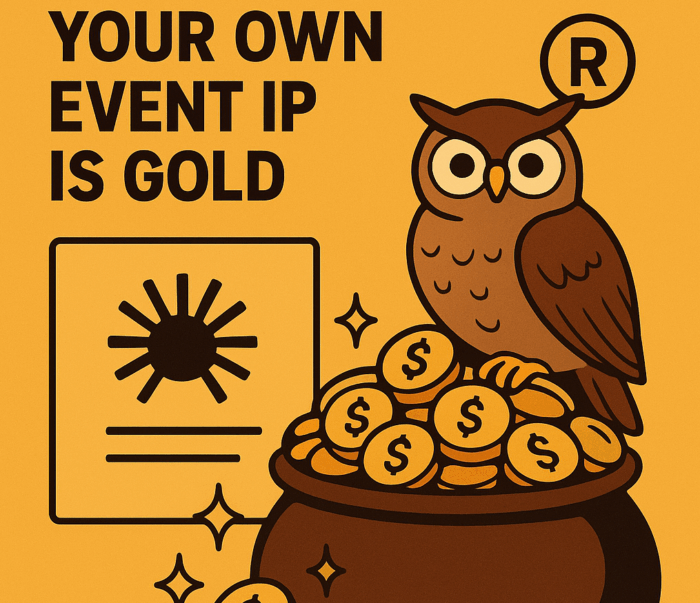
In the Caribbean’s fast-evolving events economy, owning your event IP (intellectual property) isn’t just a smart move. It’s a power play.
Gone are the days when producers and promoters hustled from event to event, building vibes but never value. Today, Caribbean entrepreneurs are awakening to a new truth: your event brand can become your business empire-if you own it.
From developing geological party series, live music concerts, wellness festivals, to tech summits and digital music showcases, creators and entrepreneurs are no longer content with playing the middle. They’re taking control. And here’s why that shift matters.
1. Brand Ownership = Business Equity
When you create and own the name, concept, and values of your event, you’re not just building a one-off experience – you’re building a brand asset. Something you can scale, license, or sell. Think of it as the Rihanna approach: don’t just perform at the show-own the stage, the spotlight, and the sound system.
2. Revenue Beyond the Ticket
Owning your Event IP means you’re not tied to just ticket sales. You’re opening the door to:
- Sponsorship deals and brand activations
- Merch drops (physical and digital)
- Licensing across cities or countries
- Co-branded partnerships
- Content monetization—live streams, podcast spin-offs, mini-docs
This is how Caribbean event producers can start moving from hustle mode to portfolio mode.
3. Scale Across Borders
Your Event IP doesn’t need a visa. Once it works in Kingston, it can work in Miami, London, Toronto, or virtually anywhere the Caribbean diaspora lives. This is how global festivals like Afropunk, Everyday People, or Web Summit became cultural institutions. IP turns your local gathering into an exportable cultural product.
And we’ve been seeing the trend unfold for a while with Jamaican and Caribbean brands like Dream Weekend-Jamaica, which is now across the Caribbean, New York, and London. Also, event brands such as Fete Republic, Igloo, and Sandz. Then we have Caesar’s Army based in Trinidad and Tobago that has a portfolio of events across the Caribbean, too. Dubwise has done it in Jamaica, Trinidad, and Miami. Ladies Love Reggae just popped out to the New York Market.

4. You Own the Audience (Not Instagram)
Social media is a great amplifier. But if you don’t own the data -emails, attendee profiles, insights – you’re just renting access to your audience. With your IP, you build a direct line to your community. You can nurture superfans, mobilize them quickly, and evolve the experience with their feedback. That’s real power. House Music Event Promoters, please take note, again.
5. Full Creative Control
No red tape. No compromises. Owning your Event IP means you call the shots. You curate the speakers, the DJs, the themes, and the sponsors. It’s your world-everyone else is just entering it. That freedom makes room for authentic innovation and Caribbean-forward storytelling that stands out on the global stage.
6. A Launchpad for Others
The most powerful event IPs become platforms. Suddenly, you’re not just throwing an event-you’re launching careers.
Whether it’s a stage for DJs, a spotlight for startups, or a mic for underrepresented voices, your event becomes a hub. And that positions you as a power broker in your niche. This is what I did with Kingston BETA- it’s now the Caribbean’s longest-running tech event series, 200+ and counting…that has connected tech entrepreneurs to co-founders, fresh talent, new markets ( US, Africa), access to amazing networks, plus a million dollars worth of funding. It has won awards and has become the blueprint for others in the Caribbean tech space.
Event IP: The Most Underrated Business Asset in the Experience Economy
7. Cultural + Institutional Relevance
As your IP grows, so does its influence. You can shape the conversation in your industry. Influence trends. Even policy. Imagine being the go-to summit for Caribbean tech, digital health, or women in music. That’s not just visibility-that’s institutional weight.
8. Leverage for Big Moves
Finally, your Event IP becomes your proof of concept. It’s how you walk into meetings with sponsors, government partners, and investors-not with ideas, but with numbers, testimonials, and demand.
From there, you can bundle your IP with services-event production, consulting, branded content-and land six- or seven-figure deals. This is what I am gunning for with Gridnet Events.
Final Word
In the Caribbean, culture is our currency. And events? They’re our stage, our sales funnel, our community glue, gateway to building empires. So if you’ve been creating experiences that move people, now’s the time to own the blueprint. Protect it. Grow it. Scale it.
Because owning your Event IP isn’t just about rights- It’s about wealth, power, and legacy.
Ingrid Riley is the Co-Founder of GridNet Events. This is her trendwatching and cool-hunting blog.